
Black Friday Sales
Shop Now









If you’re working at a school in the United States or Canada that supports students from pre-kindergarten through 12th grade, you may be eligible to apply for a grant specifically designed to support a classroom pet. This program is created to help schools bring thoughtful, educational animal companionship into learning spaces—when it’s the right fit for students and the school environment.
The goal is to make it easier for educators and staff to access resources that support the well-being of both students and classroom communities. Instead of having to plan everything independently, qualifying schools can request support to bring a pet into the classroom setting, with guidance and options that make the process more manageable.
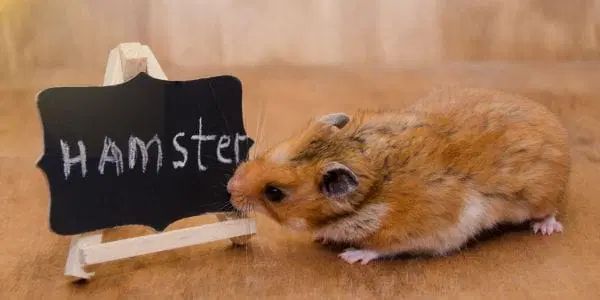
One of the most exciting parts of the grant is that it offers multiple pet choices. Rather than being limited to a single animal, the program includes options such as hamsters, bearded dragons, chinchillas, and other classroom-suitable pets. Each pet option is presented with its own care considerations, so you can select the one that best matches your classroom routine and your students’ needs.
Because animals differ in how they are handled and cared for, the grant information typically includes details about each pet’s difficulty level. This is helpful for planning, since it lets you understand what kind of commitment is involved—such as feeding schedules, cleaning needs, and daily interaction requirements.
By knowing the difficulty level ahead of time, schools can make informed decisions. That way, the classroom pet can become a positive learning experience rather than a stressful responsibility. It also encourages staff to consider readiness and support systems to ensure the pet is consistently cared for.
Classroom animals aren’t just for fun—they can support student well-being in meaningful ways. Many schools are interested in pet programs because they can contribute to calmer routines and a more welcoming atmosphere. For example, having a pet present during the school day may help some students manage anxiety by creating a comforting and familiar presence.
Beyond emotional comfort, classroom pets also offer learning opportunities that connect to social growth. Students can practice communication skills when they learn how to interact appropriately with an animal—such as understanding boundaries, using gentle handling, and following instructions. Over time, these interactions can strengthen empathy and patience, because students learn that living things have needs and must be treated with respect.
Additionally, pet involvement can encourage responsibility. When students participate in age-appropriate ways—like observing feeding routines, completing classroom worksheets, or tracking care-related activities—they gain a sense of shared purpose. This can support collaboration among classmates, since the pet becomes a common, caring “project” that the class looks after together.
You might assume that only teachers can apply for a classroom pet grant, but that’s not the case. The program is open to a wider range of school staff members. If you work in an eligible role, you can apply—not just for the classroom environment but for the benefit of your school community as a whole.
Eligible applicants can include professionals such as librarians, guidance counselors, school nurses, and other members of school staff. The program’s flexibility recognizes that different roles contribute to student support in different ways. For instance, a school nurse may be interested in how a pet routine can fit with student wellness, while a librarian might see strong potential for reading, engagement, and calming activities tied to animal-centered learning.
As long as you are connected to a school that fits the age range and grade level requirements (pre-k through 12), you can explore whether the grant aligns with your goals. The key is finding a setup where the pet can be cared for consistently and responsibly within your school schedule.
Ready to learn more about the available pet options, care levels, and how to submit your request? Click the red button below to head to the Pets In The Classroom website. There, you can review details, confirm eligibility, and begin the application process.
Even if you’re not sure which pet would be the best match yet, visiting the site is a helpful starting point. You can gather information, compare options, and decide what would work best for your students and your school’s daily routine. 🐹🐉
After you review the options, you’ll be able to choose a pet that fits your classroom culture and your ability to provide the right care. Then, once you’re ready, follow the steps provided on the website to move forward with your application.
A classroom pet can be more than an animal in a tank or enclosure—it can become a tool for building empathy, supporting emotional regulation, and creating engaging daily learning moments. With the right selection and appropriate care, a pet can help students feel more connected and motivated, while also giving them opportunities to develop compassion and responsibility.
If you work at a school in the USA or Canada that educates students from pre-k through 12th grade, this grant may be a great chance to expand your classroom resources. Explore the program, review pet options and difficulty levels, and use the application process to determine whether you can bring a pet into your learning space.
Don’t wait too long—start by visiting the Pets In The Classroom website using the red button, and plan your next steps from there. Your students might be ready for a meaningful, caring addition to their everyday classroom experience. ❤️


